
Happy Pub Day to “Absolute Away” by Lance Olsen
“A surreal story bridges historical trauma with existential nightmares. ... Olsen depicts the horrors of history and more speculative anxieties with equal power. Impossible to classify, this novel raises big questions about memory and identity.” –Kirkus Reviews
Check out Dzanc Titles on Mom Egg Review
Mom Egg Review released the April edition of their monthly online column, MER Bookshelf, and three Dzanc titles made the cut!

Happy Pub Day to “The Sentence” by matthew baker
“Matthew Baker’s writing can only be described in the many yets it creates: humorous yet disturbing, gripping yet patient, timely yet timeless. In The Sentence, Baker offers a precise, visionary story of survival and community told in the form of a sentence diagram. On its surface a dystopian cautionary tale, this novella is a startling reflection on language, trust, and desperation in the face of fascism. This is Baker’s most exciting work yet.”— Isle McElroy

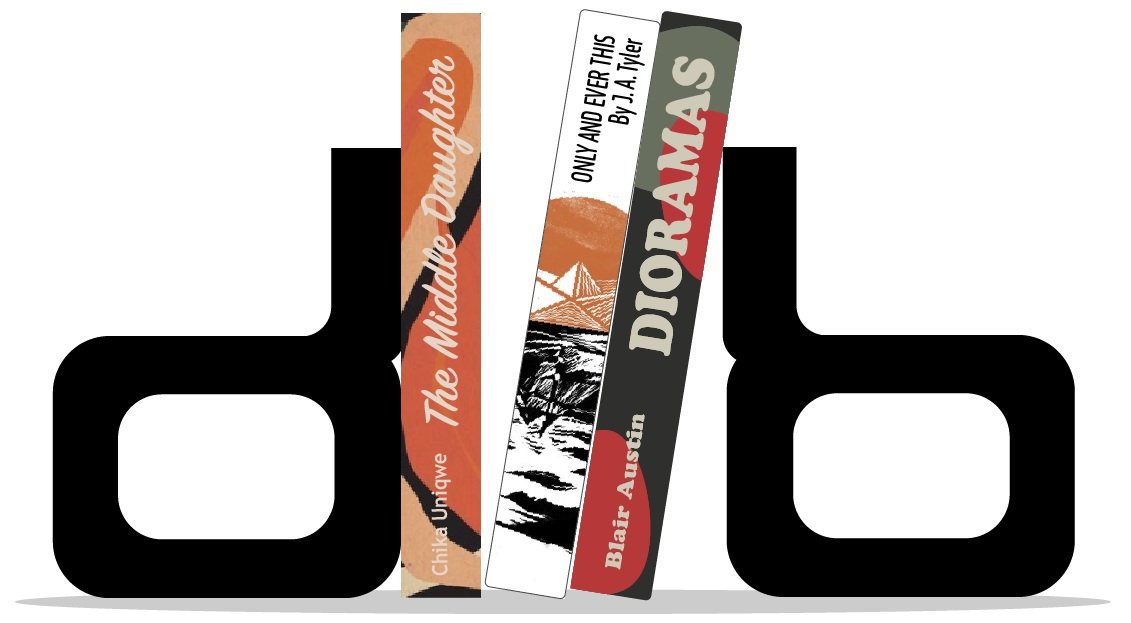
Happy Paperback Pub Day to The “Midle Daughter” by Chika unigwe
“Powerful… Unigwe’s textured imagery and rich, lyrical prose make this a welcome addition to Nigerian feminist literature.” ––Publisher’s Weekly

Thank you Macc!
We’re so honored that Dzanc Books is one of the recipients of the MACC Relief Grant! Thanks so much to our founders, our staff, our brilliant authors, and our wonderful community. Nothing would be possible without you.

Happy Pub Day to “The Woman Who Looked Like Sophia L.” by curt leviant
"In this short e-pistolary novel, a seasoned American author, Giorgio, is caught between reality and fantasy in pursuing his infatuation with an Italian beauty. ... The work is lifted by its wry charm and creepy cleverness." ––Kirkus Reviews

Missing chapter of “not for nothing”
A small Dzanc mystery: the original print run of Stephen Graham Jones’s brilliant Not for Nothing was printed without chapter nine. Subsequent reprints have corrected this error, but if you have one of the originals, you can find the entire text of Chapter 9 below.

Featured Mentor: Shya Scanlon
We are excited to announce our featured mentor of the week: Shya Scanlon! Shya Scanlon is the author of the novel The Guild of Saint Cooper and the poetry collection In This Alone Impulse. He received his MFA from Brown University. His essays and short fiction have appeared in Lit Hub, Guernica, The Literary Review, The Mississippi Review, The Believer, The Rupture, Hobart, and elsewhere.

Featured Mentor: Lee Martin
We are excited to announce our featured mentor of the week: Lee Martin! Lee Martin is the author of seven novels, including The Bright Forever, a finalist for the 2006 Pulitzer Prize in Fiction. He has also published four memoirs and two short story collections, most recently The Mutual UFO Network, in addition to the craft book, Telling Stories. He is the winner of the Mary McCarthy Prize in Short Fiction and fellowships from the National Endowment for the Arts and the Ohio Arts Council. He teaches in the MFA Program at The Ohio State University.
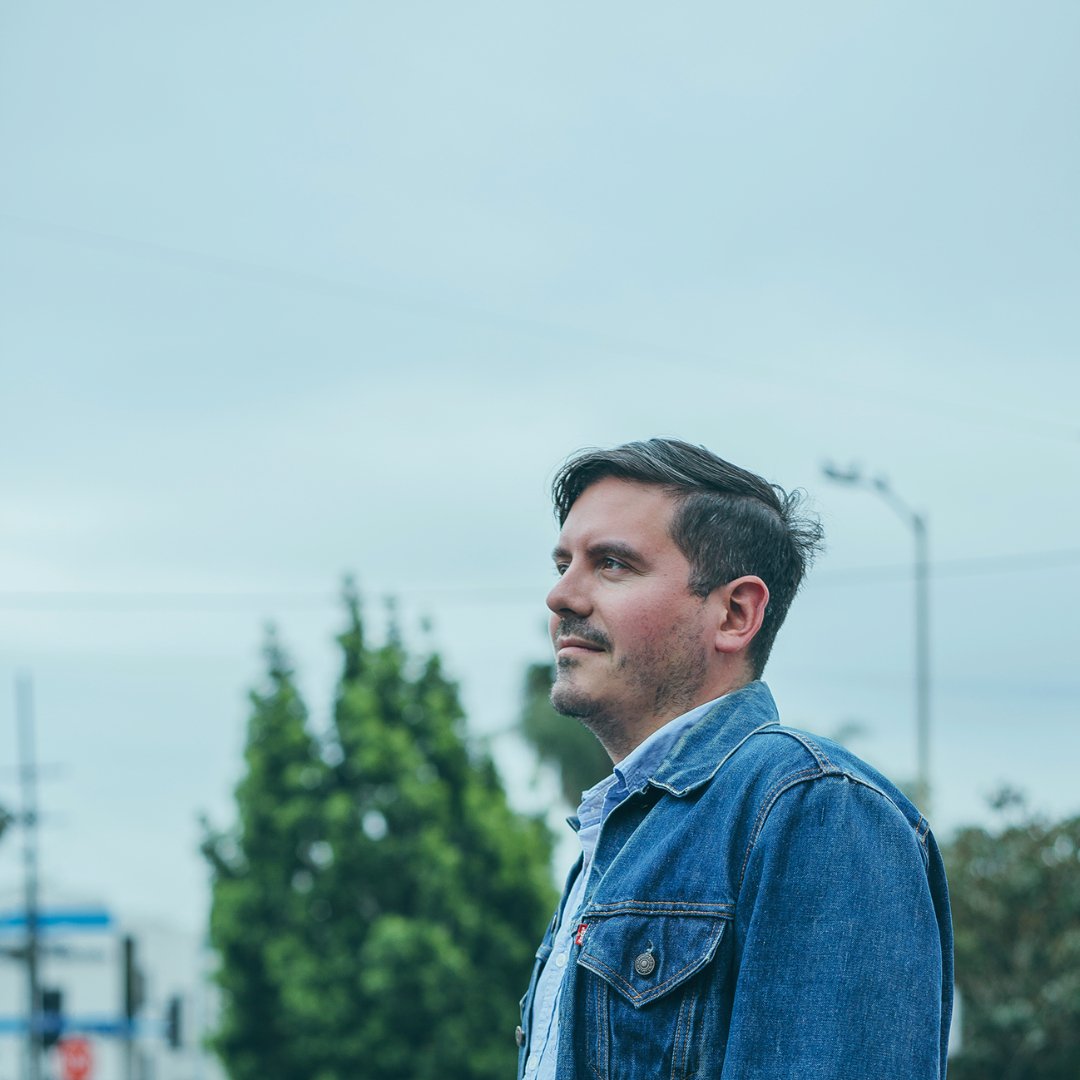
Featured Mentor: Nicholas Bredie
We are excited to announce our featured mentor of the week: Nicholas Bredie! Nicholas Bredie is the author of the novel Not Constantinople (Dzanc), named one of the best of 2017 by the Morning News. With Joanna Howard the translator of Frederic Boyer's Vaches, published as Cows (Noemi Press).

2024 Contests are Open!
It’s that time of year: Dzanc’s annual contests are open! Now through September 30th, send us your mold-breaking, gut-punching, mind-bending novels and short story and poetry collections. The winner of each contest receives an advance and publication through the press, slated for spring 2026.
Featured Mentor: Jeff Kass
We are excited to announce our featured mentor of the week: Jeff Kass! Jeff Kass teaches Tenth Grade English and Creative Writing at Pioneer High School in Ann Arbor. A former champion of numerous Poetry Slams, he’s the award-winning author of two full-length poetry collections, My Beautiful Hook-nosed Beauty Queen Strut Wave and Teacher/Pizza Guy, a 2020 Michigan Notable Book; the thriller Takedown, the YA novel Center-Mid, and Knuckleheads, Independent Publishers Gold-medal winning Best Short Fiction Collection of 2011.

Happy Pub Day to “All the Time you want” By Keith Taylor
In Selected Poems, Keith Taylor, acclaimed poet of the Upper Midwest and the author of eighteen celebrated collections, delivers a stunning medley of his most lasting work: poems that remain vivid in the imagination, that have achieved a life beyond their first appearance on the page.

Featured Mentor: Darren DeFrain
We are excited to announce our featured mentor of the week: Darren DeFrain! Darren DeFrain is the author of the story collection Inside & Out and the novel The Salt Palace. He lives in Wichita, Kansas, with his wife and daughters, and he directs the Wichita State University writing program.
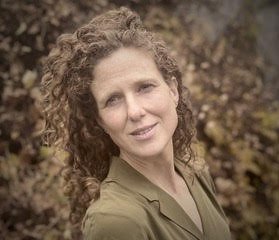
Featured Mentor: Kirstin Allio
We are excited to announce our featured mentor of the week: Kirstin Allio! Kirstin Allio won the Catherine Doctorow Innovative Fiction Prize from FC2 for her new story collection, Double-Check for Sleeping Children, coming out in 2024. Previous books are the novels Garner (Coffee House Press, LA Times Art Seidenbaum Award for First Fiction finalist), and Buddhism for Western Children (University of Iowa), and the story collection Clothed, Female Figure (winner of the Dzanc Short Story Collection Competition).

Featured Mentor: Jonathan fink
We are excited to announce our featured mentor of the week: Jonathan Fink! Jonathan Fink is Professor and Coordinator of Creative Writing at University of West Florida. He has published two books of poetry: The Crossing (Dzanc, 2015) and Barbarossa: The German Invasion of the Soviet Union and the Siege of Leningrad (Dzanc, 2016). His third book, a hybrid poetry/nonfiction collection, is forthcoming from Dzanc.

Featured Mentor: Bill Meissner
We are excited to announce our featured mentor of the week: Bill Meissner! Minnesota writer and teacher, Bill Meissner is the author of twelve books. His third novel, The Wonders of the Little World, a carnival-theme family drama, will be published in January, 2024 by Stephen F. Austin State University Press/Texas A & M University Press. His previous novels are Summer of Rain, Summer of Fire, a novel set in the protest days of the Vietnam War (Stephen F. Austin State University Press/Texas A & M Univ. Press), and Spirits in the Grass (University of Notre Dame Press), which won the Midwest Book Award.

Featured Mentor: Sharon Dilworth
We are excited to announce our featured mentor of the week: Sharon Dilworth! Sharon Dilworth is the author of three collections of short stories: The Long White; Women Drinking Benedictine; and Two Sides, Two Rivers, as well as two novels: Year of the Ginkgo and My Riviera. Sharon has won a National Endowment for Fiction grant, a Pushcart Prize in Fiction and Pennsylvania Council on the Arts Grant. Her new novel, To Be Marquette takes place in Michigan’s Upper Peninsula.
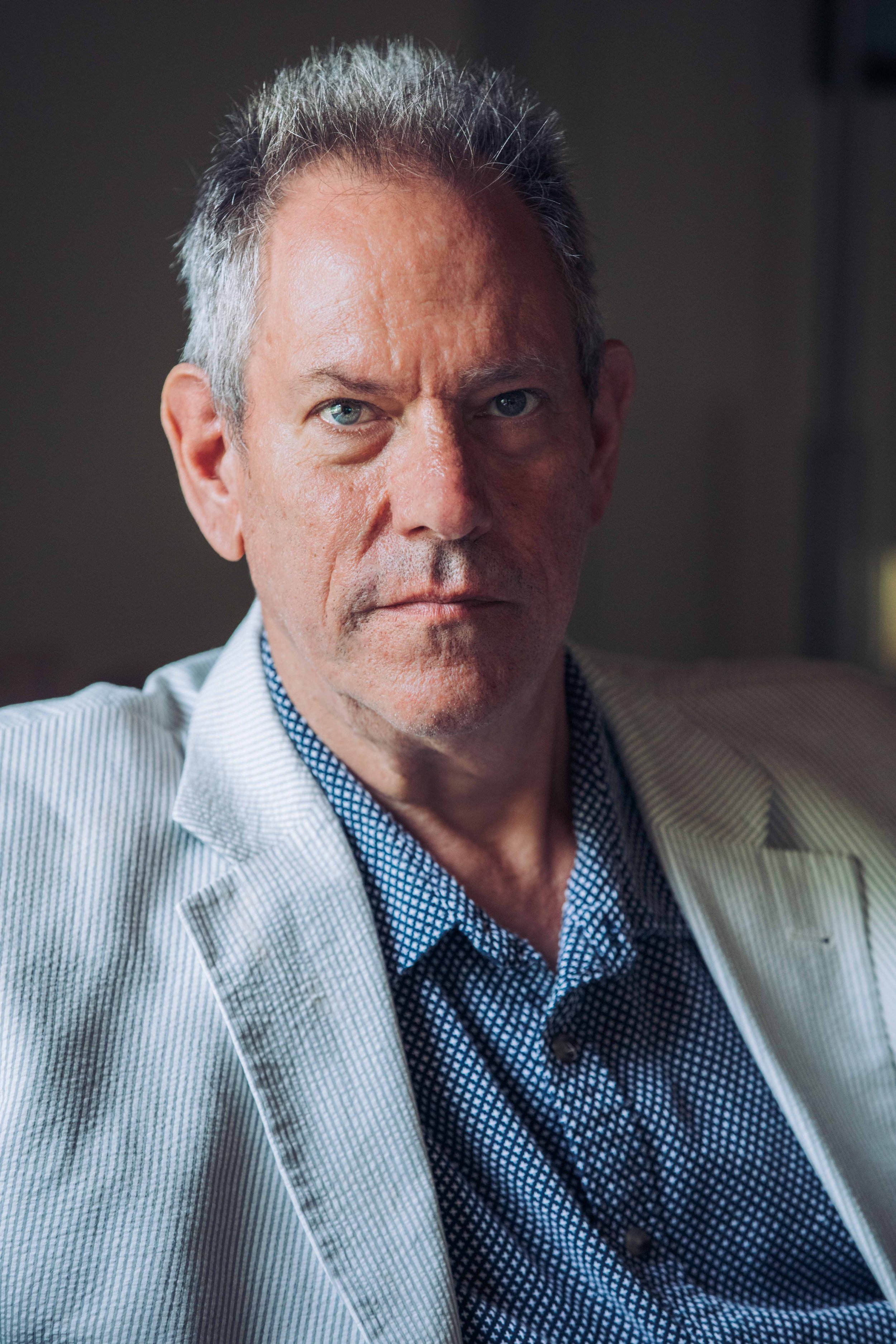
Featured Mentor: Michael Hickins
We are excited to announce our featured mentor of the week: Michael Hickins! Michael Hickins is the award-winning author of The Silk Factory: Finding Threads of My Family’s True Holocaust Story. A former editor at The Wall Street Journal and author of the influential short story collection The Actual Adventures of Michael Missing (Alfred A. Knopf, Dzanc Books), he is also the author of an earlier memoir, I Lived in France and So Can You (Dzanc Books, 2019).

Featured Mentor: Kristina Marie Darling
We are excited to announce our featured mentor of the week: Kristina Marie Darling! Kristina is the author of thirty-nine books. An expert consultant with the United States Fulbright Commission, a twice-awarded Fulbright Scholar, and a member of the peer review panel for Fulbright grants, Dr. Darling’s work has also been recognized with three residencies at Yaddo, where she has held the Martha Walsh Pulver Residency for a Poet and the Howard Moss Residency in Poetry, a Civita Institute Fellowship, and nine residencies at the American Academy in Rome, where she previously served as an ambassador for recruitment.